
Essential Tips for Property Maintenance in South Australia
Maintaining a property in South Australia can be a rewarding yet challenging task. With its unique climate, diverse landscapes, and varying property types, homeowners and property managers must stay proactive to ensure their investments remain in top condition. Whether you own a beachside retreat, a rural property, or an urban apartment, understanding the essential tips for property maintenance can save you time, money, and stress.
Understanding the South Australian Climate
South Australia experiences a Mediterranean climate characterized by hot, dry summers and mild, wet winters. This climate can significantly impact property maintenance needs. Here are some key considerations:
Summer Heat: High temperatures can lead to wear and tear on roofing, paint, and outdoor structures. Regular inspections are crucial.
Winter Rain: Increased rainfall can cause water damage, mold growth, and foundation issues. Proper drainage systems are essential.
Seasonal Changes: Each season brings different challenges, from leaf litter in autumn to potential flooding in winter.
By understanding these climatic factors, property owners can tailor their maintenance strategies accordingly.
Regular Inspections
Conducting regular inspections is one of the most effective ways to maintain your property. Here’s what to focus on:
Roof and Gutters
Check for Damage: Inspect your roof for missing tiles or signs of wear. Look for leaks, especially after heavy rain.
Clean Gutters: Ensure gutters are free from debris to prevent water overflow and damage to the foundation.
Exterior Walls
Look for Cracks: Inspect walls for cracks or peeling paint, which can indicate underlying issues.
Check for Pests: Look for signs of termites or other pests that can compromise the structure.
Windows and Doors
Seal Gaps: Ensure windows and doors are properly sealed to improve energy efficiency and prevent water ingress.
Check Locks: Regularly test locks and hinges to maintain security.
Landscaping Maintenance
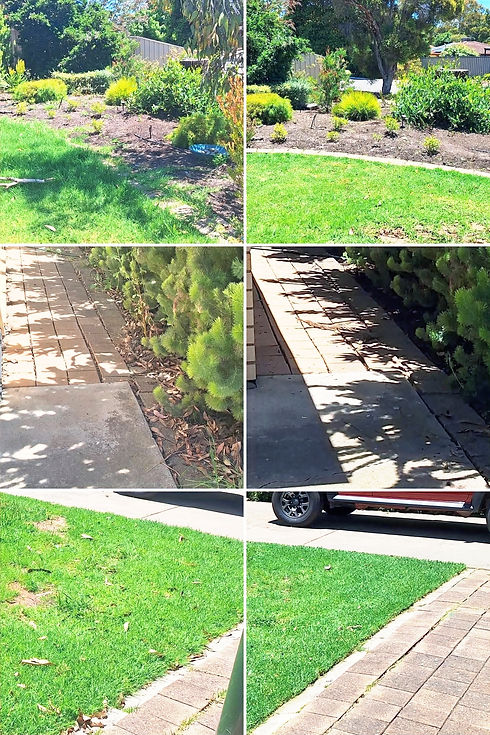
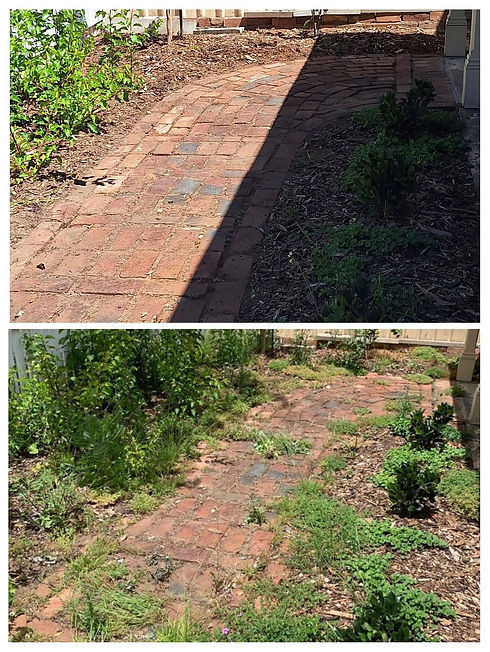
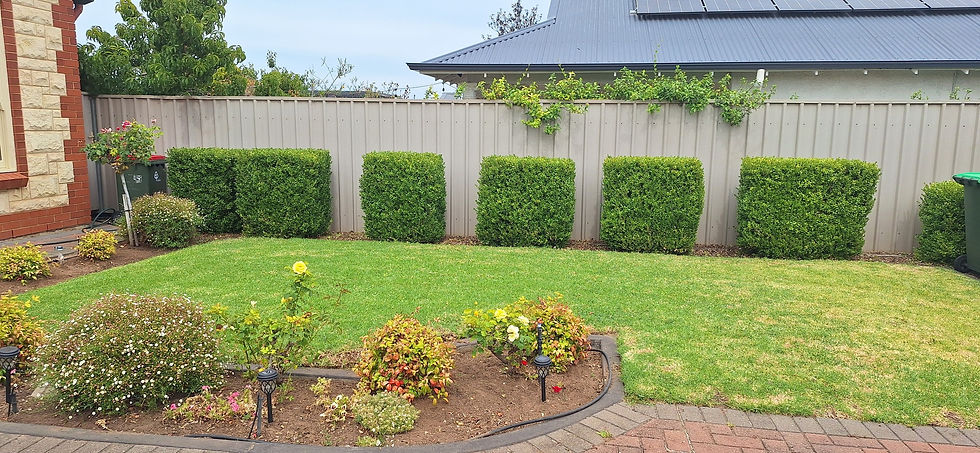
A well-maintained landscape not only enhances curb appeal but also protects your property. Here are some landscaping tips:
Lawn Care
Regular Mowing: Keep your lawn trimmed to prevent pests and maintain a neat appearance.
Fertilization: Use appropriate fertilizers to promote healthy growth, especially during the growing season.
Tree and Shrub Care
Prune Regularly: Trim trees and shrubs to prevent overgrowth and potential damage to structures.
Watch for Pests: Inspect plants for signs of pests or disease, and treat them promptly.
Irrigation Systems
Check for Leaks: Regularly inspect irrigation systems for leaks or blockages.
Adjust Settings: Modify watering schedules based on seasonal rainfall to conserve water.
Interior Maintenance
Don’t neglect the inside of your property. Regular interior maintenance can prevent costly repairs down the line.
Plumbing
Inspect for Leaks: Regularly check pipes, faucets, and toilets for leaks. Addressing small leaks can prevent major water damage.
Clear Drains: Keep drains clear of debris to prevent clogs and backups.
Electrical Systems
Test Smoke Alarms: Regularly test smoke alarms and replace batteries as needed.
Check Outlets: Inspect electrical outlets for signs of wear or damage.
Heating and Cooling Systems
Regular Servicing: Schedule annual servicing for heating and cooling systems to ensure they operate efficiently.
Change Filters: Replace air filters regularly to maintain air quality and system efficiency.
Seasonal Maintenance Checklist
Creating a seasonal maintenance checklist can help you stay organized and ensure nothing is overlooked. Here’s a breakdown:
Spring
Inspect the roof and gutters for winter damage.
Clean and service air conditioning units.
Fertilize lawns and prepare gardens for planting.
Summer
Check for signs of pests in the garden and home.
Maintain irrigation systems to ensure proper watering.
Inspect outdoor furniture and structures for wear.
Autumn
Clean gutters to prepare for winter rains.
Trim trees and shrubs to prevent damage from falling branches.
Winterize outdoor plumbing to prevent freezing.
Winter
Inspect heating systems to ensure they are functioning properly.
Check for drafts around windows and doors.
Monitor for ice dams on the roof.
Hiring Professionals
While DIY maintenance can save money, some tasks are best left to professionals. Here are situations where hiring an expert is advisable:
Roof Repairs: If you notice significant damage or leaks, a professional roofer can ensure repairs are done safely and effectively.
Pest Control: For infestations, hiring a pest control service can provide a thorough solution.
Electrical Work: Always hire a licensed electrician for any electrical issues to ensure safety and compliance with regulations.
Budgeting for Maintenance
Creating a maintenance budget is essential for property owners. Here are some tips to help you plan:
Set Aside Funds: Allocate a percentage of your property’s value for annual maintenance costs.
Prioritize Repairs: Identify urgent repairs that need immediate attention and budget accordingly.
Track Expenses: Keep records of maintenance expenses to help with future budgeting.
Conclusion
Property maintenance in South Australia requires a proactive approach, understanding the local climate, and regular inspections. By following these essential tips, you can protect your investment and ensure your property remains in excellent condition. Remember, a well-maintained property not only enhances your living experience but also increases its value over time. Start implementing these strategies today to enjoy a hassle-free property ownership experience.


Comments